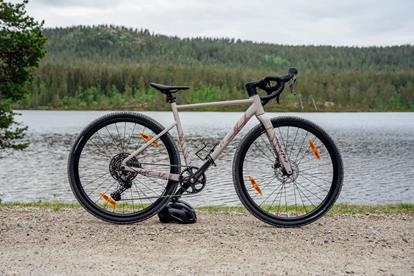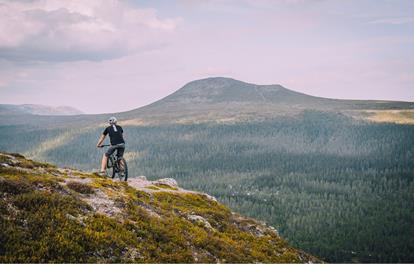
Gravel biking is a mix of riding on gravel roads and paved roads. A gravel bike looks similar to a road bike with drop handlebars, but it has wider tires that provide better grip and make riding more comfortable on a variety of surfaces.
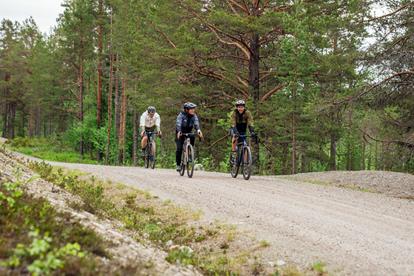
Unlike mountain biking, gravel biking mainly takes place on paved roads and gravel roads rather than on technical forest trails. One characteristic of gravel biking is that the wind can feel quite strong on certain sections of the routes.
All routes start from Idre Fjäll’s cycling area and can be enjoyed as a day trip or combined into a multi-day cycling adventure.
Nipfjällsrundan is a gravel route offering sweeping mountain views, steady climbs, and the feeling of riding through a scenic alpine landscape.
Fjätfallsrundan is a medium-length ride featuring a mix of surfaces and a steady elevation profile. It's an excellent choice for a warm-up ride or a shorter day trip.
10-milarundan is a full-day ride where distance and endurance are the main challenges. Parts of the route follow paved roads with vehicle traffic.
Gravel biking mainly takes place on gravel roads and paved surfaces, where rides are often longer in distance. Mountain biking focuses more on technical trails with roots, rocks, and narrower singletrack sections. When gravel biking, you typically ride on wider roads with a clear elevation profile, making endurance and pace more important than technical bike handling.
The routes include noticeable elevation changes, especially Nipfjällsrundan with its 650 meters of climbing. The ascents are generally steady rather than steep and technical, making the effort more endurance-based. Wind on exposed sections can also affect the level of exertion and should be taken into account when planning your ride.
Check your bike thoroughly, plan your nutrition and hydration, and dress in layers. Download the GPX file in advance and make sure your phone is fully charged. Let someone know your planned route and expected return time.
Since all routes start from Idre Fjäll, you can stay close to the trails and ride directly from the resort area. This reduces the need for car transport and makes it easier to spread your rides over several days. For longer routes, plan your food and hydration in advance.
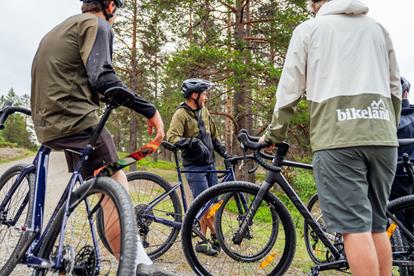
If you have booked a guided tour, your guide will meet you at The Square. From there, you will ride together with your guide directly from the meeting point.
The gravel routes combine quiet gravel roads and public roads. Therefore, please remember to:
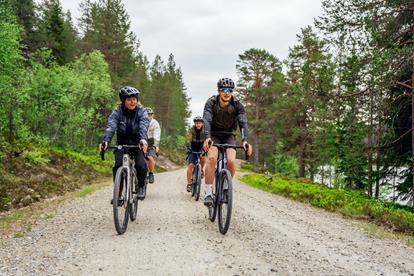
Always let someone know your planned route so that help can reach you if needed. At Idre Fjäll, we always wear a helmet when cycling.